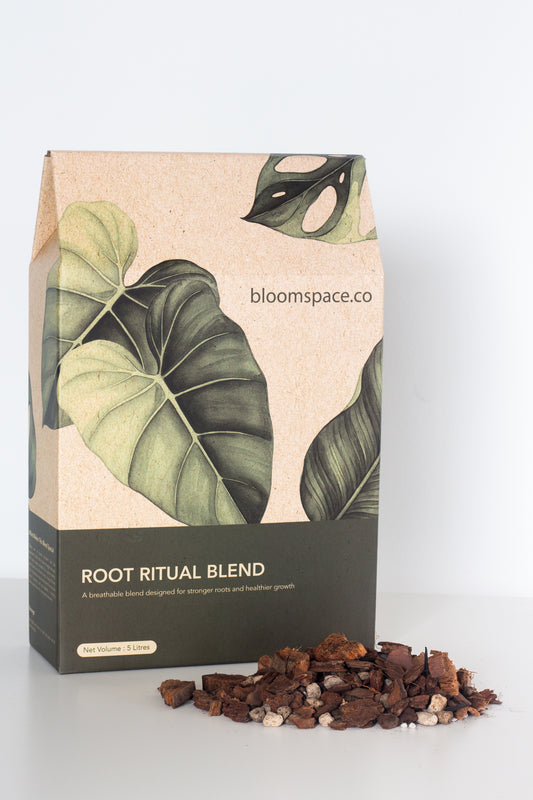
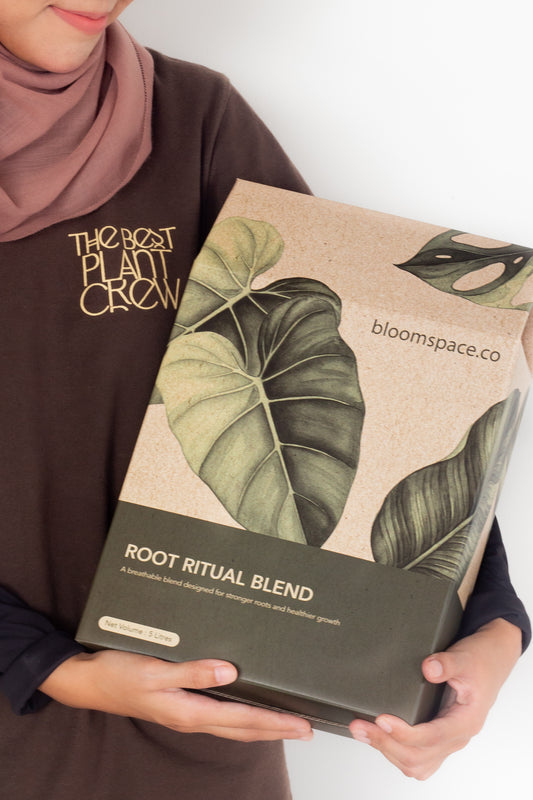
Repotting your plant is one of the most important steps to keeping it healthy, thriving, and continuously growing. Over time, plants outgrow their pots, soil becomes compacted, and nutrients get depleted. Using the right soil mix during repotting makes a huge difference—especially for aroids such as Monstera, Philodendron, Anthurium, Alocasia, Syngonium and many more.
Our Premium Aroid Mix is specially formulated to provide the ideal balance of airflow, drainage, and moisture retention that tropical indoor plants love. Most importantly, it is free from harmful chemicals and unwanted pests, with each component carefully selected to ensure suitability for indoor growing environments. Here’s a simple guide to help you repot your plant successfully.
Why Use Our Premium Aroid Mix?
Aroids naturally grow in environments with loose, airy organic matter around their roots. Regular compact soil can hold too much moisture, increasing the risk of root rot and poor root health.


Our Premium Aroid Mix is designed to provide excellent drainage and airflow while still retaining enough moisture for healthy root growth.
Our Premium Aroid Mix helps:
- Improve airflow around roots
- Reduce the risk of overwatering and root rot
- Encourage stronger root development
- Provide better drainage while maintaining balanced moisture
- Create a healthier growing environment for tropical indoor plants
When Should You Repot Your Plant?
Most indoor plants benefit from repotting every 12 to 18 months, depending on their growth rate. Fast-growing aroids may require repotting even sooner. If your plant is still in its original nursery soil—which is often dense, clay-like, or overly compacted—it is highly recommended to switch to a fresh aroid mix when bringing your new plant home. This helps improve drainage, airflow, and overall root health right from the start.
Here are some signs your plant may be ready for a new pot:
- Roots growing out from the drainage holes
- Water draining too slowly after watering
- Soil level sinking or reducing over time due to soil loss through drainage holes
- Stunted or slowed growth
Tip: Many nursery plants come in basic soil that isn’t ideal for indoor growing. At Bloomspace, we’ve already repotted your plant into our Premium Aroid Mix before delivery, so it’s set up with the right balance of drainage, airflow, and nutrients from day one.
How to Repot Your Plant
Step 1: Prepare Your New Pot
Choose a pot that is approximately 3-5cm larger than the current pot size. Ensure it has proper drainage holes to prevent excess water buildup.
Step 2: Remove the Plant Carefully
Gently slide the plant out of its current pot. If the roots are tightly compacted or circling around the bottom, lightly loosen them with your fingers to encourage new growth.
Step 3: Add Fresh Premium Aroid Mix
Add a layer of our Premium Aroid Mix into the new pot. Position your plant in the center, then fill around the roots with additional mix. Avoid packing the soil too tightly—aroids prefer an airy root environment.


Repotting with a chunky, well-draining mix helps your plant establish healthier roots and adapt better to indoor conditions.
Step 4: Let Your Plant Adjust
Place your plant back in bright indirect light and avoid fertilising or watering immediately after repotting. Give it 1–2 weeks to recover and adjust to its new environment.
Tip: It’s normal for plants to show mild transplant shock after repotting, such as slight drooping or 1–2 yellow leaves in the first 1–2 weeks. This is temporary—avoid panic watering and always confirm the soil is dry before watering again.
Final Thoughts
Repotting may seem intimidating at first, but it’s one of the best things you can do for your plant’s long-term health. Using a high-quality chunky mix like our Premium Aroid Mix gives your plant the drainage, airflow, and support it needs to thrive indoors.
With the right soil and proper repotting technique, your plant can continue growing beautifully for years to come.